Column · @calm-cycles
Beginner’s Guide to Understanding The Smoothie Diet Benefits for Easy Weight Loss
What the Smoothie Diet actually is (and why it can help with weight loss)
When people say “smoothie diet,” they often imagine a strict, juice-only reset. In real life, the most weight-loss-friendly version is usually simpler: you use smoothies as a structured meal replacement or a meal-support strategy, then pair that with sensible eating at the times you are not using smoothies.
The key is consistency and portion control. Smoothies are easy to overdo because they feel light, but the ingredients decide whether they support easy weight loss or accidentally turn into a calorie surplus.
For many beginners, the appeal is practical. Instead of standing over a stove after a long day, you blend. Instead of guessing portion sizes, you follow a repeatable smoothie plan. And instead of reaching for snacks that derail your appetite, you have something that is already portioned.
A quick example of what “beginner-friendly” looks like
Say you currently eat lunch “whenever you can,” then snack in the afternoon. A beginner approach might look like this: replace lunch with one smoothie, eat a balanced dinner, and keep high-volume snacks for when you genuinely need them. You are not trying to be perfect. You are trying to create enough structure that weight loss becomes less of a daily decision.
It is worth saying gently: smoothies are not magic. But they can support weight loss by making it easier to hit a calorie target while still getting protein, fiber, and key micronutrients.
The smoothie diet benefits that matter most for beginners
If you are researching the smoothie diet benefits for easy weight loss, you are probably trying to understand what changes when you swap solids for blended meals. Here are the most meaningful benefits I see people stick with, when the plan is built thoughtfully.
1) Better meal control without constant decision fatigue
Meal prep is often where beginners fall off. A smoothie strategy removes a lot of that friction. You can portion ingredients ahead of time, then blend in minutes. That can reduce grazing, especially on busy days when you would normally eat whatever is easiest.
2) Fiber and fullness from whole foods
A lot of smoothies fail beginners because they lean too heavily on fruit juice or sugary add-ins. A better nutritional approach uses whole fruit (blended is still whole-food based), plus fiber sources like oats, chia, flax, or vegetables. Fiber helps you stay fuller longer, which can make it easier to eat fewer calories without feeling like you are constantly fighting hunger.
3) Protein, so you do not feel “fine but not satisfied”
Detox and weight loss smoothies are often marketed as if they should be light. Weight loss becomes easier when your smoothies include enough protein to protect fullness and reduce snack cravings. You do not need extreme amounts, but you do need a real protein anchor such as Greek yogurt, cottage cheese, tofu, or a protein powder you tolerate well.
A personal note here: many people I coach report that once they add protein and keep the smoothie thick enough to chew mentally, their cravings calm down within a few days. The difference is not hype, it is satiety.
4) Nutritional benefits smoothie plan that is easier to repeat
A nutritional benefits smoothie plan works best when it is predictable. When you know your base and your add-ins, you stop improvising and overpouring. Predictability helps with consistency, and consistency is what drives results for most beginners.
5) Hydration and volume, which can support your routine
Smoothies can help you hit daily fluids, especially if you struggle with water. The volume matters because it can reduce the urge to snack just to feel satisfied.
How to build smoothies for easy weight loss (without common mistakes)
This is where beginners either feel confident or get discouraged. The goal is not to create a “detox” drink that tastes like punishment. The goal is to create a smoothie diet beginner benefits style routine that you can keep.
Here are the most common pitfalls I see, and what to do instead.
Smoothie build rules that keep the plan effective
- Start with a protein base (Greek yogurt, skyr, cottage cheese, tofu, or protein powder).
- Add fiber intentionally (chia, flax, oats, or a handful of berries).
- Keep fruit portions reasonable (fruit is nutritious, but it can add up fast in blended form).
- Include vegetables for volume (spinach, cucumber, zucchini, or frozen cauliflower).
- Watch liquid choices (juice tends to raise sugar quickly; milk or unsweetened alternatives are usually steadier).
If you are thinking, “That sounds like meal prep, not a smoothie diet,” you are noticing the truth. Smoothies work best when they are treated like meals, not treats.
A simple “starter” smoothie formula
For a reliable starting point, aim for a smoothie that feels thick and filling, not watery. A common structure is one scoop of protein (or about 1 cup of Greek yogurt), a fiber add-in (chia or oats), then vegetables and fruit in a balanced ratio. You can keep the flavors similar week to week, so you are not constantly adjusting and second-guessing.
Trade-off to consider
If you go too low on calories to “force” weight loss, hunger can rebound hard. Beginners often assume they need smaller smoothies every day. In practice, a slightly larger smoothie with enough protein and fiber can control hunger better than a tiny smoothie that leaves you starving an hour later.
Also, if you have blood sugar concerns, gut sensitivity, or you are on medication, you may need a more cautious approach to fruit portions. Smoothies can be gentle for some people and too “fast” for others, so tuning matters.
Detox and weight loss smoothies: what “detox” should mean for you
“Detox” is one of those words that gets marketed loudly, but for weight loss beginners, it helps to interpret it more practically. Your body already detoxifies through your liver and kidneys. What you are really doing with detox and weight loss smoothies is supporting your regular digestion routine and replacing less nourishing foods with more nutrient-dense options.
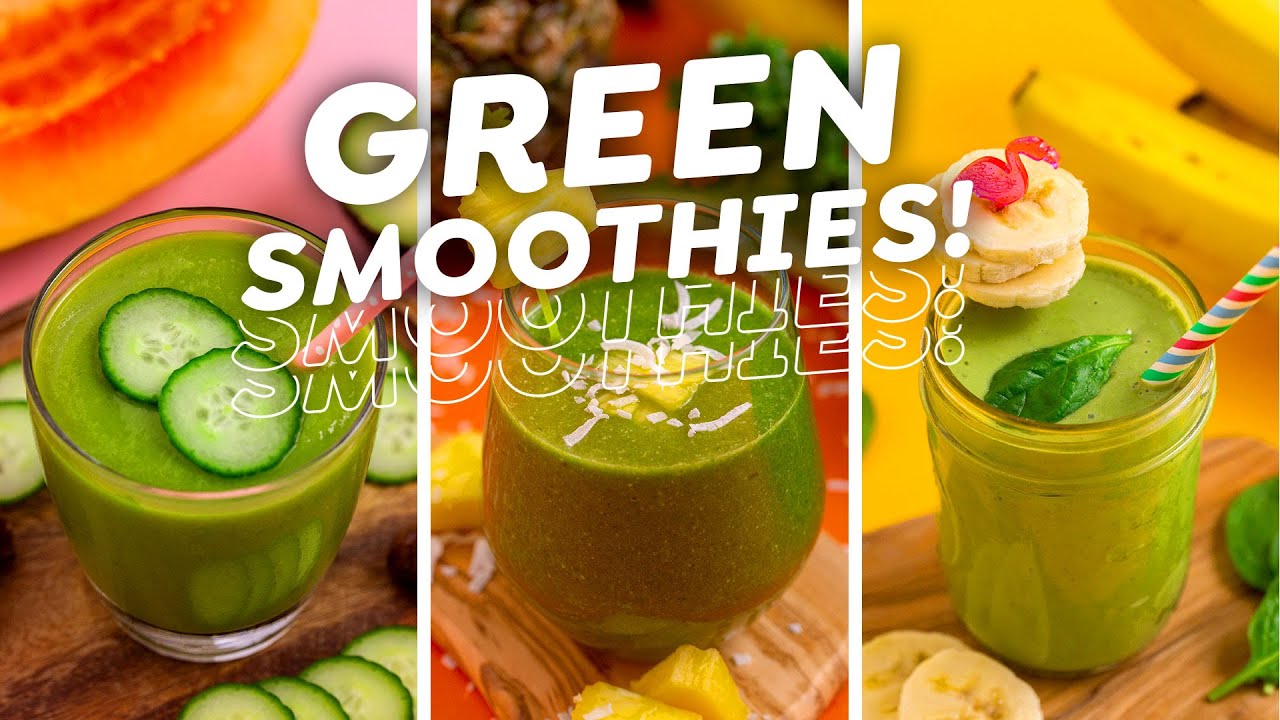
In real terms, a detox-style smoothie plan usually does these things: - swaps refined snacks for fiber-rich meals - improves hydration habits - reduces the number of impulsive eating moments - makes it easier to eat more produce consistently
That does not mean you will feel magically cleansed in a day. It means you can reduce the nutritional “noise” in your diet and make weight loss more manageable.
What to expect in your first week
Many beginners notice a few changes early on: - fewer cravings at predictable times - less “food noise” throughout the day - more stable energy after meals - improved regularity if you were not getting enough fiber before
If you feel bloated instead, that is not failure. It is feedback. Often it means your smoothie has more fiber than your body is ready for, or you added too many fermentable ingredients at 21 day smoothie weight loss plan once. You can scale fiber slightly and keep vegetables more moderate until your digestion adjusts.
A realistic smoothie schedule for beginners (that you can actually stick to)
Weight loss with smoothie meal prep works best when your plan fits your life, not when it tries to replace every meal forever. If you are new, consider starting with a schedule that uses smoothies where they help most, then expands only if you feel good.
Here is a beginner-friendly framework many people can follow without feeling trapped:
- 1 smoothie per day for 3 to 5 days, then reassess hunger and energy
- Swap lunch first, because it is often the easiest meal to structure
- Keep dinner balanced with protein and vegetables, even if it is not perfect
- Blend slowly and taste as you go, adjusting thickness and sweetness rather than adding more fruit
- Treat weekends as flexible, not as a reason to abandon the routine
You do not need to measure everything forever. But you do need at least a short period where portions are consistent enough to let your body respond.
When to pause or adjust
If you experience frequent dizziness, intense cravings, or persistent digestive discomfort, do not push through blindly. It may be a sign your smoothie is too low in calories, too low in protein, or too high in fiber or sugar for your current routine. Adjusting ingredients is usually faster than abandoning the smoothie diet entirely.
If you want easy weight loss with smoothie diet structure, your best approach is to start simple, build slowly, and let your body tell you what feels sustainable. The smoothie diet benefits show up when the plan supports you, not when it punishes you.